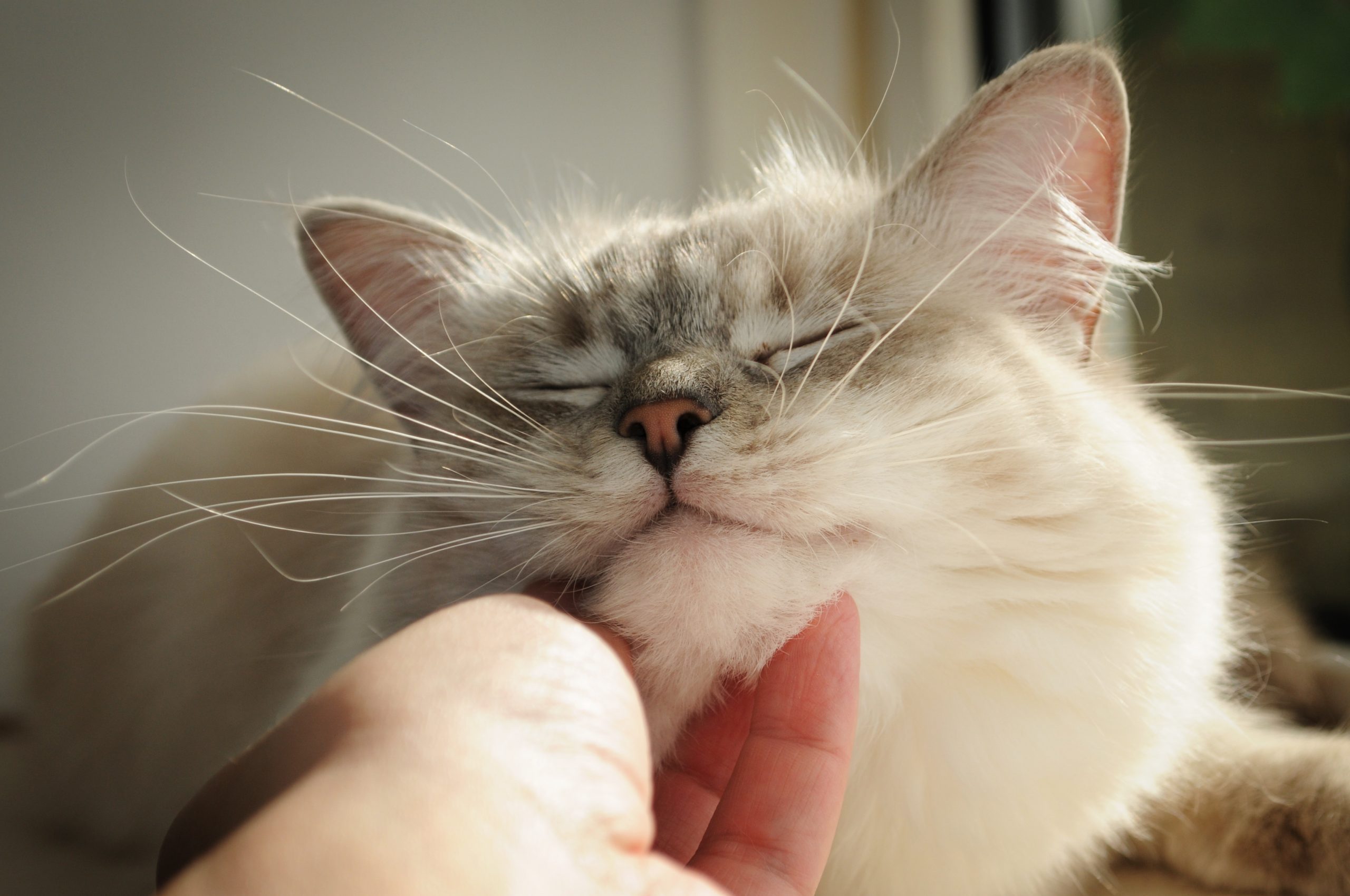
CBD Support for Situational Stress in Cats
Cats are often perceived as calm and independent, but they can be deeply affected by changes in their environment. Temporary stress and situational anxiety are common in cats and may arise from events such as travel, veterinary visits, household changes, or unfamiliar people or pets. As interest in gentle, plant-based wellness options grows, some pet parents are exploring CBD as a way to support cats during short-term stressful situations.
This article looks at how situational stress presents in cats, how CBD may help support calm behavior, important safety considerations, and how pet parents can approach CBD thoughtfully and responsibly.
Recognizing Situational Stress in Cats
Cats often express stress subtly, and signs may be mistaken for behavioral quirks. Temporary stress is typically linked to a specific event or change, rather than an ongoing condition.
Common signs of situational stress in cats may include:
- Hiding or withdrawal
- Changes in appetite or eating habits
- Increased vocalization
- Excessive grooming or reduced grooming
- Litter box avoidance
- Restlessness or pacing
- Clingy behavior or irritability
Understanding these signals can help pet parents respond early and provide supportive care.
How CBD Can Help Support Calm in Cats
CBD (cannabidiol) is a hemp-derived compound that interacts with the endocannabinoid system (ECS), which plays a role in maintaining balance within the body. In cats, the ECS is involved in processes related to stress response, mood regulation, immune function, and nervous system signaling.
CBD does not act as a sedative or alter a cat’s personality. Instead, it is thought to support the body’s natural ability to manage stress by influencing signaling pathways associated with emotional balance.
While research on CBD use in cats is still emerging, early findings and anecdotal experiences from pet parents suggest that CBD often helps promote a calmer state during short-term stressful events when used appropriately.
Situations Where Pet Parents Commonly Explore CBD for Cats
CBD is most often considered for temporary or situational stress, rather than chronic anxiety or behavioral disorders. Common scenarios include:
Veterinary Visits
Travel, unfamiliar handling, and new environments can make vet appointments particularly stressful for cats. CBD is sometimes explored as part of a pre-visit calming routine.
Travel or Transport
Car rides, flights, or even short trips in a carrier can be overwhelming for cats. CBD may help support relaxation during transport when given in advance.
Household Changes
Moves, renovations, new family members, or schedule changes can disrupt a cat’s sense of routine. CBD can help support emotional balance during transitions.
New Pets or Visitors
Introducing new animals or frequent visitors can cause temporary stress. CBD may help cats adjust more comfortably while other gradual introduction strategies are used.
CBD Is a Supportive Tool — Not a Behavioral Solution
It’s important to approach CBD as a supplemental support, not a standalone solution for feline behavior concerns.
For cats experiencing ongoing or severe anxiety, a comprehensive plan may include:
- Environmental enrichment
- Gradual desensitization
- Predictable routines
- Veterinary or behaviorist guidance
CBD may be used as part of a broader strategy aimed at supporting comfort and emotional well-being during temporary stressors.
Choosing a CBD Product for Cats
Cats are particularly sensitive, making product quality and formulation especially important.
Pet parents should look for:
- CBD products formulated specifically for cats
- Veterinarian-developed formulations
- Third-party lab testing for purity and potency
- Trace-THC hemp-derived CBD
- Simple, cat-friendly ingredients made with organic hemp
Avoid products intended for humans or dogs unless specifically directed by a veterinarian.
Using CBD for Situational Stress in Cats
There is no FDA-approved dosing standard for CBD in cats. Most veterinarians recommend starting with a low dose and adjusting slowly if needed.
Helpful Use Guidelines
- Begin with the lowest suggested labeled amount for your cat’s size
- Administer CBD 30–60 minutes before a known stressor when possible
- Observe behavior, appetite, and energy closely
- Adjust gradually only under veterinary guidance
Because cats often respond subtly, patience and careful observation are key.
Safety Considerations & Possible Side Effects
CBD is generally considered well tolerated in cats when properly formulated and administered, but side effects can occur.
Possible side effects may include:
- Mild drowsiness
- Temporary digestive upset
- Changes in appetite
- Excessive drooling (often related to taste)
If side effects are observed, discontinue use and consult your veterinarian.
Supporting Calm Beyond CBD
CBD works best when combined with supportive environmental strategies, such as:
- Providing quiet, safe spaces
- Maintaining consistent routines
- Using pheromone diffusers or calming music
- Introducing changes gradually
- Offering reassurance without reinforcing fear
These approaches can help cats feel more secure during stressful moments.
Final Thoughts: A Thoughtful Approach to Feline Stress Support
CBD support for situational stress in cats is an option some pet parents explore as part of a gentle, holistic wellness approach. When used responsibly, CBD can help support emotional balance during short-term stressful events without changing a cat’s natural personality.
As with any supplement, informed decision-making, high-quality products, and collaboration with a trusted veterinarian are key. Because helping cats feel safe and supported during life’s changes starts with understanding their unique needs — and responding with patience and care.