Top 5 Ways to Help Your Pet Prepare for the Holiday Season
The holiday season brings family gatherings, travel, decorations, and changes to familiar routines. While these traditions can be exciting for people, they may leave dogs and cats feeling unsettled. Some pets become more clingy, others retreat to quiet spaces, and some show signs of stress when their environment changes.
Preparing ahead of time can help your companion feel more secure. A thoughtful holiday wellness plan can include familiar routines, a comfortable home environment, enrichment, and veterinary guidance when needed.
Why Can the Holidays Be Stressful for Pets?
Dogs and cats often rely on predictability. Visitors, loud conversations, unfamiliar smells, and changes in daily schedules can disrupt that sense of security. Cats may hide or avoid social interaction, while dogs may pace, bark, pant, or seek reassurance.
Changes in appetite, toileting habits, sleep, or behavior can have other causes, too. If symptoms are persistent, severe, or unusual for your pet, contact your veterinarian rather than assuming holiday stress is responsible.
Five Ways to Prepare Your Pet for the Holidays
1. Keep familiar routines wherever possible
Try to maintain regular meal times, walks, play sessions, and rest periods. Even when your schedule becomes busy, familiar activities can provide consistency.
If you expect your pet’s routine to change, introduce adjustments gradually when possible.
2. Create a quiet, comfortable retreat
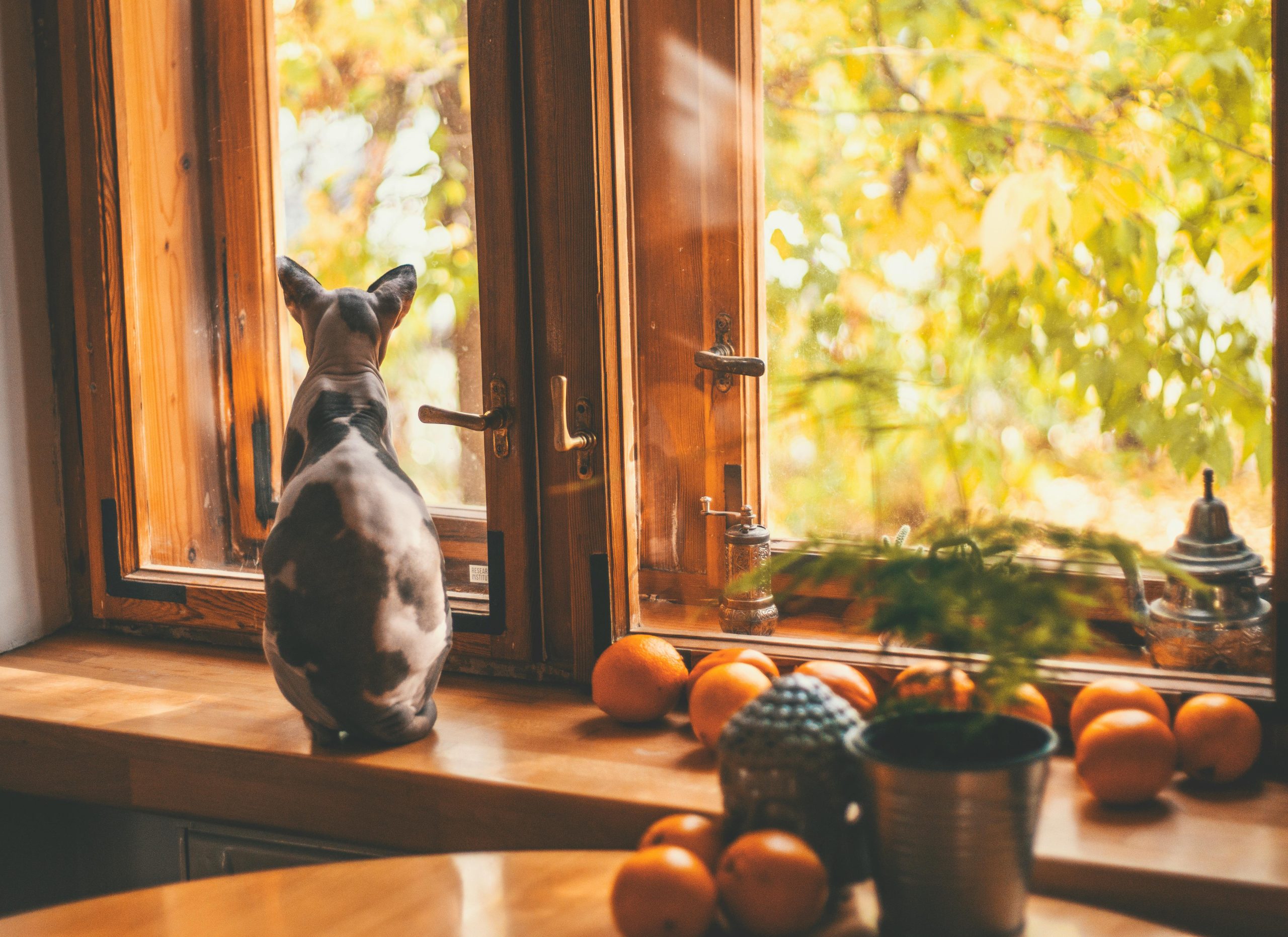
Set aside a space where your pet can relax away from visitors and activity. Include familiar bedding, fresh water, and favorite toys. Cats may appreciate an elevated resting place or a covered hiding spot, while dogs may prefer a quiet room or familiar bed.
Let your pet choose whether to interact with guests. Never force a frightened animal to socialize.
3. Prepare for visitors and travel
Before guests arrive, explain your pet’s boundaries and ask visitors not to feed table scraps or approach an animal that is hiding. Check doors, gates, collars, identification tags, and microchip details.
For travel, bring familiar supplies and plan for safe transportation, appropriate breaks, and your pet’s individual needs. Don’t forget some of their favorite comfort toys!
4. Make holiday hazards part of your plan
Keep chocolate, grapes, raisins, onions, garlic, alcohol, and other hazardous foods out of reach. Secure rubbish, electrical cords, decorations, and medications. Keep pets away from candles and supervise interactions with unfamiliar decorations or plants.
If you suspect your pet has swallowed something dangerous, contact a veterinarian or animal poison-control service promptly.
5. Discuss wellness support with your veterinarian
Some pets need more than environmental adjustments, particularly if they have a history of significant anxiety or fear. Your veterinarian can help determine whether behavioral strategies, prescription treatment, or other support may be appropriate.
CBD may be considered by some pet parents as one component of a broader wellness plan. However, evidence for CBD’s effectiveness in treating anxiety in dogs and cats remains limited. Product composition, individual health, and medication interactions all matter. Ask your veterinarian before introducing CBD or another supplement.
Build a Holiday Wellness Plan Before the Rush
Think about your pet’s needs now, rather than waiting until the busiest days of the season. Identify likely stressors, prepare a quiet space, stock familiar supplies, and make veterinary appointments early if concerns arise.
Final Thoughts
Holiday pet preparedness is about helping your companion feel safe, comfortable, and included on their own terms. Consistent routines, thoughtful planning, and appropriate veterinary guidance can make the season more manageable for dogs and cats—and more enjoyable for the people who love them.