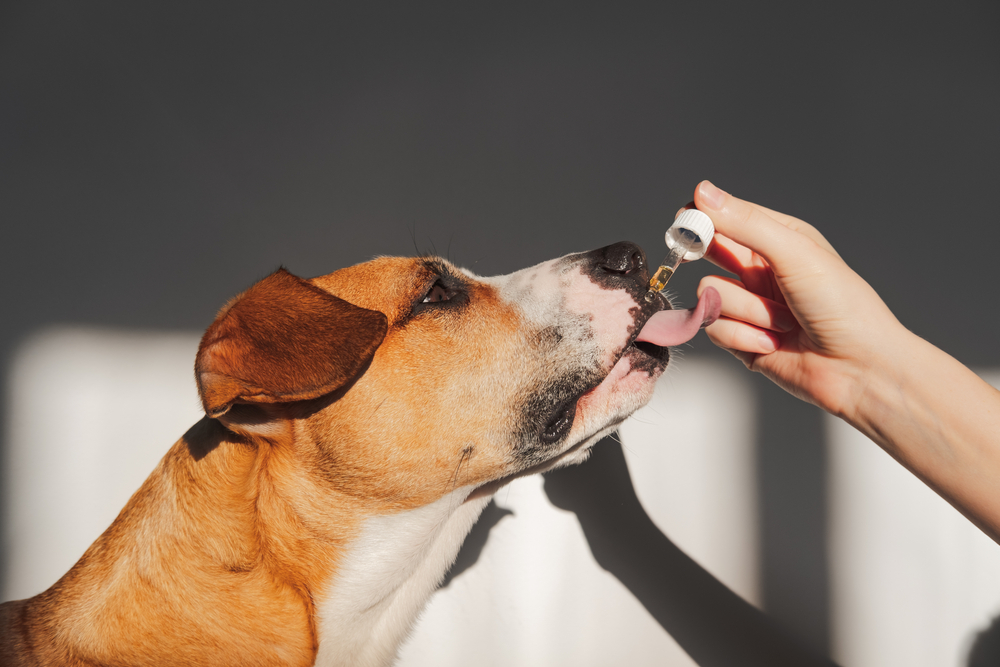
Administration of CBD for Pets
As more pet parents explore CBD for their dogs and cats, understanding proper dosing and administration is essential. Correct administration helps maximize benefits while minimizing the risk of side effects.
This article provides guidance on determining the right CBD amount, tips for administration, and considerations for ensuring your pet receives consistent support.
Why Amount Matters
CBD affects pets differently depending on size, metabolism, and health status. Administering too little may provide no noticeable benefit, while too much can increase the likelihood of mild side effects. Establishing an appropriate dose is key to helping your pet experience the supportive effects of CBD.
Starting Out Right
1. Start Low and Go Slow
Veterinarians typically recommend beginning with the lowest suggested labeled amount based on your pet’s weight. Observe how your pet responds over several hours or days before adjusting the amount. This approach helps identify the minimum effective dose for your pet.
2. Consider Your Pet’s Size and Weight
Smaller pets generally require smaller amounts, while larger pets may need larger quantities. Weight-based administration is the safest starting point; choose products that have clear administration guidelines. Always follow product-specific dosing guidelines provided by reputable, veterinarian-formulated brands.
3. Health and Age Considerations
Senior pets, or those with liver, kidney, or other health conditions, may process CBD differently. Always consult a veterinarian if your pet has underlying health concerns or is taking medications.
Methods of Administration
1. Oils and Tinctures
CBD oils or tinctures are versatile and can be administered near mealtime. Use the syringe or dropper provided to measure the precise amount recommended for your pet.
2. Soft Chews and Treats
CBD treats can simplify administration, especially for pets who resist oils. Ensure the dose aligns with your pet’s weight and needs.
3. Capsules
Capsules allow for precise administration in a bland gel-cap exterior. Consistency in administration is important to maintain stable CBD levels in your pet’s system.
4. Topical Applications
While less common for internal benefits, CBD-infused creams or balms may support localized comfort. Follow product instructions carefully.
Tips for Effective Administration
- Be Consistent: Administer at the same time each day for best results.
- Monitor Your Pet: Watch for behavioral or physiological changes and adjust under veterinary guidance.
- Give near mealtimes: This helps avoid mild GI upset.
- Keep Accurate Records: Note dosage, timing, and observed effects to help your veterinarian make adjustments if needed.
- Store Safely: Keep CBD products in a cool, dry place out of reach of pets and children.
Monitoring for Safety and Effectiveness
Even when dosed appropriately, pets may exhibit mild side effects such as:
- Drowsiness or mild sedation
- Temporary digestive upset
- Changes in appetite or thirst
If side effects appear, reduce the dose or discontinue use and consult your veterinarian. Regular observation ensures that your pet benefits from CBD safely and effectively.
Final Thoughts About CBD Administration
Proper amount and administration are critical for ensuring that pets receive optimal CBD support. By starting with small amounts, using consistent administration methods, and observing your pet’s response, pet parents can provide reliable CBD wellness support while minimizing risk. Always prioritize high-quality, veterinarian-formulated products and maintain open communication with your veterinarian to ensure the best outcomes for your fur